- Karanga mai! 2026/27 practising certificate renewals – get ready!
- E haere ake nei coming next month: Have your say on the future of social work
- He Kāhui Whetū: Marcia Ranginui Charlton
- A visit from Professor Ron Paterson
- Recent Social Workers Disciplinary Tribunal hearings
- He Tono: Registrations now open for Whakamanawa 2026
- Te karere a te Tumu Herenga Waka | Message from our Chief Executive
Karanga mai! 2026/27 practising certificate renewals – get ready!
The 2026/27 practising certificate renewal period opens on Monday, 18 May. From this date, you can complete your annual declaration, renew your practising certificate, and take part in the annual social work workforce survey.
Now is a great time to check your details in MySWRB are up to date especially your email address, as this is where we will send your renewal confirmation. If your practising certificate is being paid for by an authorised employer, make sure they are correctly listed in your MySWRB profile.
If you need help resetting your password or navigating the MySWRB portal, please call us on 0508 797 269. If leaving a message, include your name, registration number, and a brief description of the issue so we can respond as quickly as possible.
You can also find answers in our FAQs on annual practising certificate renewal or refer to our practising certificate page for more detailed information.
Remember, the closing date is 30 June, don’t leave it until the last minute, e hoa mā.
E haere ake nei coming next month: Have your say on the future of social work
Social work is New Zealand’s largest allied health profession, with more than 9,000 registered practitioners working across the motu in a wide range of roles and sectors.
Last year, more than 5,000 of you shared your experiences and perspectives through the 2025 workforce survey. Your insights are already helping to inform our conversations with government agencies, employers, tertiary providers and the wider sector. Ngā mihi maioha to everyone who contributed – your voices are making a difference.
Read the 2025 workforce survey findings
Next month, when you renew your practising certificate, you’ll be invited to take part in the 2026 workforce survey. We’ve listened to your feedback and refined the questionnaire to make it faster and easier to complete. We strongly encourage you to take part – your voice matters. Kōrero mai.
He Kāhui Whetū: Marcia Ranginui Charlton
Ko Panekire te maunga
Ko Waikaremoana te wai kaukau o ōku tupuna
Ko Ngai Tūhoe me Ngāti Ruapani ki Waikaremoana ōku iwi
Ko Marcia Ranginui Charlton ahau
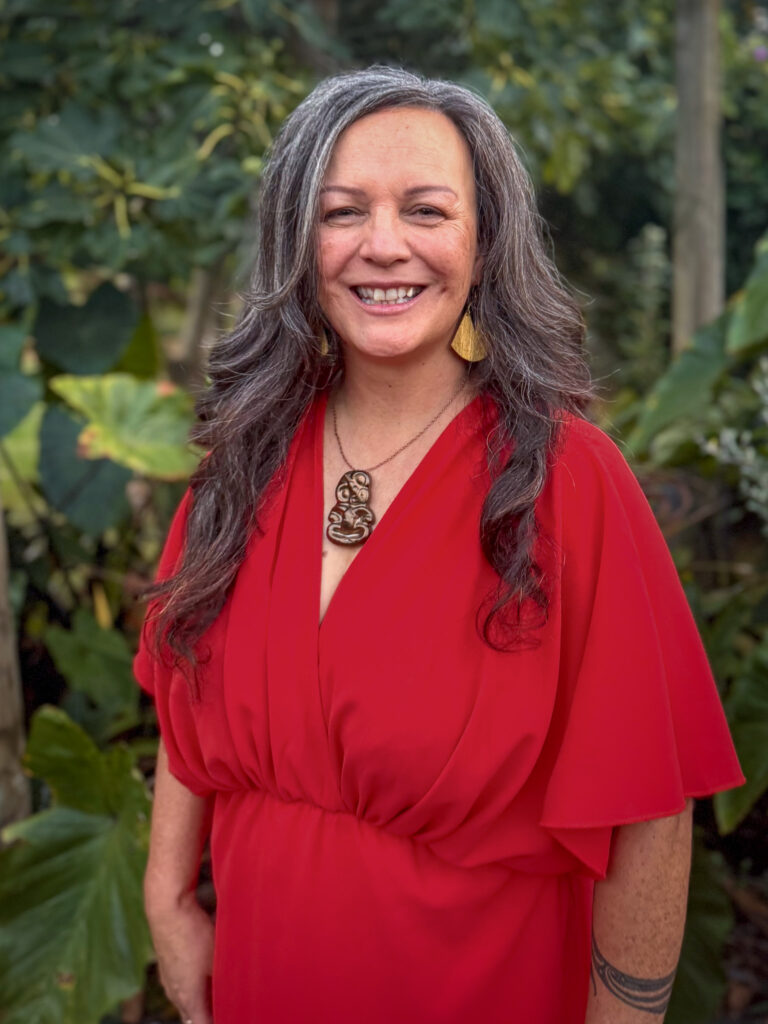
Marcia describes herself as someone who was often called in when doors were closed. “They used to call me the ‘open doorer,’” she says, laughing. “I’d get called into whānau who wouldn’t engage with anyone. They weren’t getting their needs met.” What made the difference was not technique but relationship.
Aroha is a cornerstone of Marcia’s work, though she is quick to challenge romanticised ideas of it. “Aroha isn’t just a light, fluffy feeling. It’s being willing to go through the trenches with people to get down and dirty, to sit in a fly infested room with them.”
“I feel very privileged to be part of people’s lives,” Marcia says. “We can only do the best we can, plant the seed, and nurture it. The rest happens when people are ready.”
Read the full interview with Marcia Ranginui Charlton
A visit from Professor Ron Paterson
We were delighted to welcome Emeritus Professor Ron Paterson, ONZM (Ngāti Raukawa and Scottish whakapapa) to the SWRB office recently for a conversation with our kaimahi about regulatory practice and what good regulation looks like in action.

Professor Paterson brings a remarkable depth of experience to these questions. In his career as a Health and Disability Commissioner, author, independent reviewer of the Law Society’s regulatory practice, and current member of the Medical Council, he’s spent a great deal of time considering what it means to regulate well – and what happens when regulation falls short.
His conversation with the SWRB touched on the purpose of occupational regulation, practitioner competence as an ongoing commitment, the relationship between systemic pressures and individual professional responsibility, and public expectations of professional regulators and the profession.
We’ve published a summary of this insightful session on our website. Kia ora rawa atu, Professor Paterson, for the generosity of your time.
Learning from experience: A conversation with Professor Ron Paterson
Recent Social Workers Disciplinary Tribunal hearings
Three cases were recently decided by the Social Workers Disciplinary Tribunal. The main themes were dishonesty, poor boundaries, misuse of professional position, and failure to use supervision appropriately. In each case, the Tribunal treated these as core threats to public confidence in social work and responded strongly where the conduct involved sustained deception or serious boundary breaches.
The first case concerned a school-based social worker (name suppressed) who engaged in an inappropriate communication with a student (not a client) over social media. The Tribunal found that this conduct breached the Code of Conduct, showed a major failure of professional judgment, and was serious enough to amount to professional misconduct. The social worker was censured, registration was cancelled, and they were ordered to pay a contribution towards costs.
The second hearing concerned Dr Jacquelyn Elkington, who was charged after purporting to issue a COVID-19 vaccine exemption when she had no authority to do so, representing herself as qualified to issue it, failing to disclose an ongoing HDC investigation when renewing her practising certificate, and then failing to cooperate properly with later investigations. The Tribunal found these allegations amounted to professional misconduct. The Tribunal imposed a 12-month suspension, censure, a condition requiring monthly supervision for 12 months on return to practice, a 50% costs contribution, and permanent suppression of the complainant’s identifying details.
The third decision concerns Carrie Anne Matkovich, who wrote an unauthorised character reference for a client, misled the Department of Corrections into believing a course existed when it did not, and used that false information to obtain repeated exceptions to the client’s electronically monitored bail conditions. The Tribunal found that this conduct amounted to professional misconduct. The Tribunal considered the dishonesty particularly serious because it involved deception of both her employer and a government department, and because it undermined the integrity of bail monitoring and blurred professional boundaries with a client. The Tribunal imposed censure, cancellation of registration, and substantial costs orders in favour of both the Professional Conduct Committee and the Tribunal.
Read the summaries of these cases:
He Tono: Registrations now open for Whakamanawa 2026
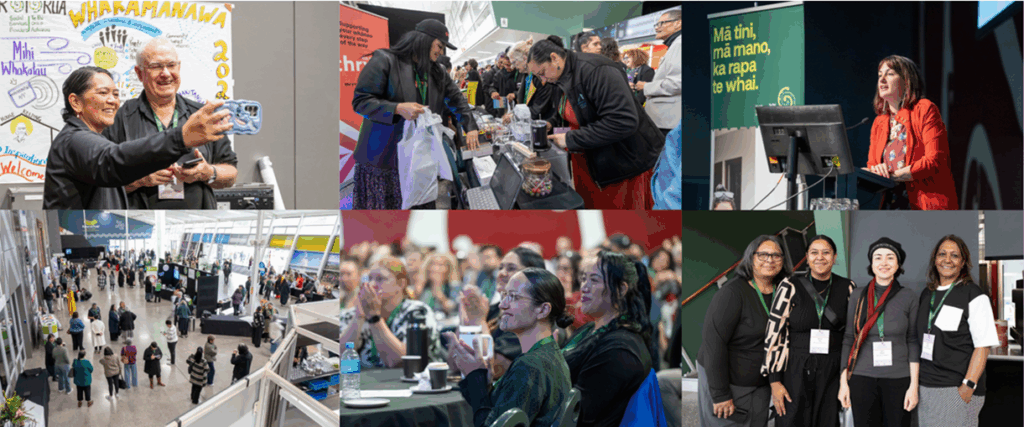
Early bird registrations for Whakamanawa 2026 are now open!
The annual Whakamanawa conference, organised by Te Pai Ora Social Service Providers Aotearoa, brings together social service providers from across the motu for learning, sharing, inspiration and whakawhanaungatanga.
Whakamanawa 2026 will be held on 24 and 25 September at the Due Drop Events Centre, Manukau, Tāmaki Makaurau. They would love to see you there.
Te karere a te Tumu Herenga Waka | Message from our Chief Executive
Tēnā tatou katoa, e te iwi.
Eight weeks into autumn and one week into May, the changing season has brought both challenges and moments of reflection, deepening my gratitude for the resilience and leadership in our hapori and around the world – Te aroha ki te tangata, ki ngā hononga care, respect and kindness toward others and ourselves, empathy and connection between people.
May and June will be a particularly busy month for the tari with both the annual Practising Certificate renewal process and Social Worker Workforce Survey underway.
Our Registrations and Finance Teams are working hard behind the scenes to deliver a smooth and efficient renewal process, and we look forward to supporting more than 9,000 social workers throughout the motu.
The Workforce survey is a vital opportunity to hear directly from social workers. Every response strengthens the evidence base for identifying workforce challenges and opportunities. Your voices form the foundation of the Annual Social Worker Workforce Report, which enables ministers, policymakers, government agencies, and employers to better understand the realities and pressures facing the social work workforce.
I did just want to take a moment to say ngā mihi nui thanks to my Board and kaimahi for their incredible work and dedication. We are fortunate to have such a talented and driven governance group and team, and I look forward to everything we will achieve together this year.
I’m looking ahead with confidence to our upcoming goals, knowing that by working together we can achieve great things. Mauri ora!
Ngā manaakitanga,
Sarah Clark
