

- Aotearoa's first social worker workforce strategy is here
- What the 2026 workforce survey is telling us: emerging workforce findings
- Shape the future of social work education
- Get ready for the CPD audit – Join our CPD information session
- Celebrating Aotearoa New Zealand Social Workers’ Day
- Updated Enough Practical Experience Policy

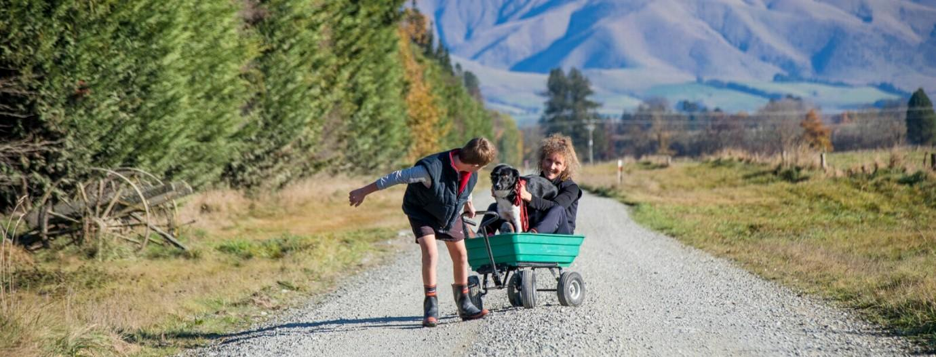
Aotearoa’s first social worker workforce strategy is here
Aotearoa New Zealand now has a shared, long-term pathway to ensure social workers are supported to thrive and continue their important mahi with individuals, whānau and communities.
Released on 12 October 2026, Sustainable Social Work Pathways Tauwhiro Ararau – Social Worker Workforce Strategy and Action Plan 2026–2036 is Aotearoa New Zealand’s first cross-government strategy for the social worker workforce. For practising social workers, this means the challenges affecting their working lives such as workforce shortages, career development and workplace support can be addressed through more coordinated action across government and the wider sector.
The ten-year, Cabinet-commissioned Strategy brings government agencies, employers, educators and the profession together around shared priorities, stronger workforce evidence and coordinated action across the sector.
The Strategy focuses on three areas:
- Capacity is about making sure there are enough social workers, in the right place, at the right time.
- Capability is about supporting social workers with the skills, knowledge and development opportunities they need throughout their careers.
- Sustainability is about promoting safe, supportive workplaces where social workers can thrive.
The first stage focuses on attracting more people into the profession and supporting social workers to stay and build long-term careers. A key part of Sustainable Social Work Pathways is the Action Plan, which brings together initiatives already underway across agencies to address workforce challenges. Individually, these initiatives respond to specific agency needs and agency-level challenges. Together, they will help attract people to the profession, support social workers throughout their career, and strengthen the conditions that support them to practise well.
Over the next year, work will also focus on improving workforce data, sector coordination and measures of progress, creating a stronger foundation for future action.
With the Strategy now in place, we have a clear pathway forward. Its implementation will be informed by the experiences and aspirations of social workers and the hapori we serve.
As implementation gets underway, we look forward to working alongside the profession and the wider sector to turn this vision into action:
A sustainable, skilled and valued social worker workforce, helping individuals, whānau and communities navigate life’s challenges.
Pānui ināianei download the Strategy and Action Plan here and please help us share it across the sector.


What the 2026 workforce survey is telling us: emerging workforce findings
Every year, social workers share valuable information about where they work, what they do and what they need to continue practising safely and effectively. The annual workforce survey will be published in December 2026. This survey helps build a national picture of the profession and gives the Social Workers Registration Board evidence to support workforce planning and inform conversations with government, employers, educators and sector leaders.
Early findings from the 2026 survey show that most respondents work in frontline or client-facing roles. Social workers continue to be drawn to the profession by the opportunity to make a meaningful difference alongside people, whānau and communities. At the same time, the findings point to continued pressure from complex practice environments, workforce capacity and access to professional development.
Managing complexity, social work practice with Māori, and practice with other ethnic and cultural groups are among the leading professional development priorities identified by respondents. Social workers also told us that a lack of protected time and funding can make it difficult to complete continuing professional development.
Employers have an important role in creating the conditions for good practice. Supportive team environments, protected time for supervision, and access to relevant training and skills development were among the most commonly reported forms of employer support.
These early findings help show where the profession is strong and where greater attention may be needed. They will be considered alongside registration data and wider sector evidence in the Annual Social Worker Workforce Report 2026.


Shape the future of social work education
In October, we invite tertiary education organisations delivering prescribed social work programmes to complete the Data Return for the 2025 Academic Year.
The information gathered will contribute to our Annual Social Work Education Report, which provides a high-level picture of prescribed social work education programmes across New Zealand. It covers ākonga enrolments and completions, field education and work-based placements, and the sustainability of the social work education workforce.
View our previous Annual Social Work Education Reports here.
Together, these insights strengthen the evidence behind our workforce planning role. They help us understand the pipeline into the profession through the New Zealand qualification pathway and what it could mean for the future sustainability of the workforce.
They also build our understanding of challenges across the workforce journey – from attracting people to social work and supporting career progression, through to retention and leaving the workforce.
Ka nui te mihi. We appreciate the time and expertise education providers contribute to this work. If your organisation is invited to participate, please complete the survey by 30 October 2026.

Get ready for the CPD audit – Join our CPD information session
The 2025/26 Continuing Professional Development audit opened on 5 October and runs until 31 October. To help social workers understand the process and make the most of their professional development records, we are holding an online CPD information session on:
- Thursday 15 October 1:00 pm
The session is open to social workers selected for the audit and to anyone who would like a refresher on CPD requirements.
CPD is an important part of maintaining safe, competent and culturally responsive practice. Each year, registered social workers are expected to complete at least 20 hours of CPD linked to the core competence standards, including activity that supports competence to work with Māori.
If you were not selected for audit, this is still a useful time to review and update your CPD record. Recording learning as you go makes it easier to keep track of training, supervision, cultural learning and other development that supports your practice.

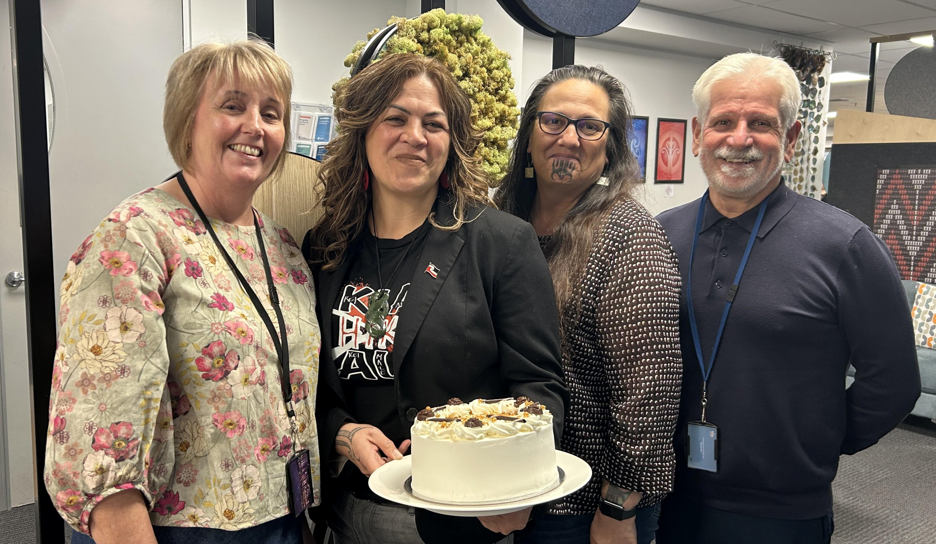
(L-R) Liz Gourlay RSW, Emily Ranginui RSW, Natasha Emery RSW, Jeff Sanders Acting Chief Executive
Celebrating Aotearoa New Zealand Social Workers’ Day
On Aotearoa New Zealand Social Workers’ Day, we acknowledge the skill, care and commitment social workers bring to their work alongside whānau and communities.
Social workers practise in many different settings and support people through some of the most complex moments in their lives. Their work strengthens wellbeing, connection and access to support across Aotearoa. It also relies on professional judgement, ongoing learning, cultural responsiveness and a commitment to safe and accountable practice.
We marked the day by celebrating our five incredibly amazing social workers kaimahi RSW – Liz Gourlay, Emily Ranginui, Natasha Emery, Carina Jansen and Dr Andrew Thompson. We shared cake and waffles and took time to recognise the experience and perspective they contribute within our organisation and across the sector. Their professional knowledge, insights and care of the office help keep our work connected to the fundamentals of social work practice.
To every social worker across the motu: thank you for the contribution you make every day. We recognise your dedication to the profession and to the people and communities you serve. Mahi tika ana!


Updated Enough Practical Experience Policy
Moving from provisional to full registration requires practical social work experience in Aotearoa New Zealand.
Provisional registration allows you to gain this experience while meeting any other registration conditions, including supervision.
The Enough Practical Experience Policy applies to New Zealand and overseas-qualified applicants. Key requirements are:
- You must complete 2,000 hours of supervised social work practice in Aotearoa New Zealand.
- You must gain this experience while registered, hold a current practising certificate, and practise within the social work scope of practice.
- Overseas social work experience is valuable, but it cannot be counted towards the 2,000-hour requirement.
- You should complete your practical experience under supervision, in line with the SWRB’s supervision expectations for registered social workers.
- Submit a Confirmation of Hours form signed by your professional supervisor or line manager. We may request more information.
- If the statutory eight-year limit applies, meet the full registration requirements before it ends.
You will also need to provide other evidence to demonstrate completion of other conditions or requirements. For more information click here and to read the full updated policy click here.